How Traditional Perfume Houses Are Integrating AI Without Losing Their Identity
Artificial intelligence is entering the world of heritage perfumery—not to replace tradition, but to expand how classic houses research, create, and understand scent in a changing era.
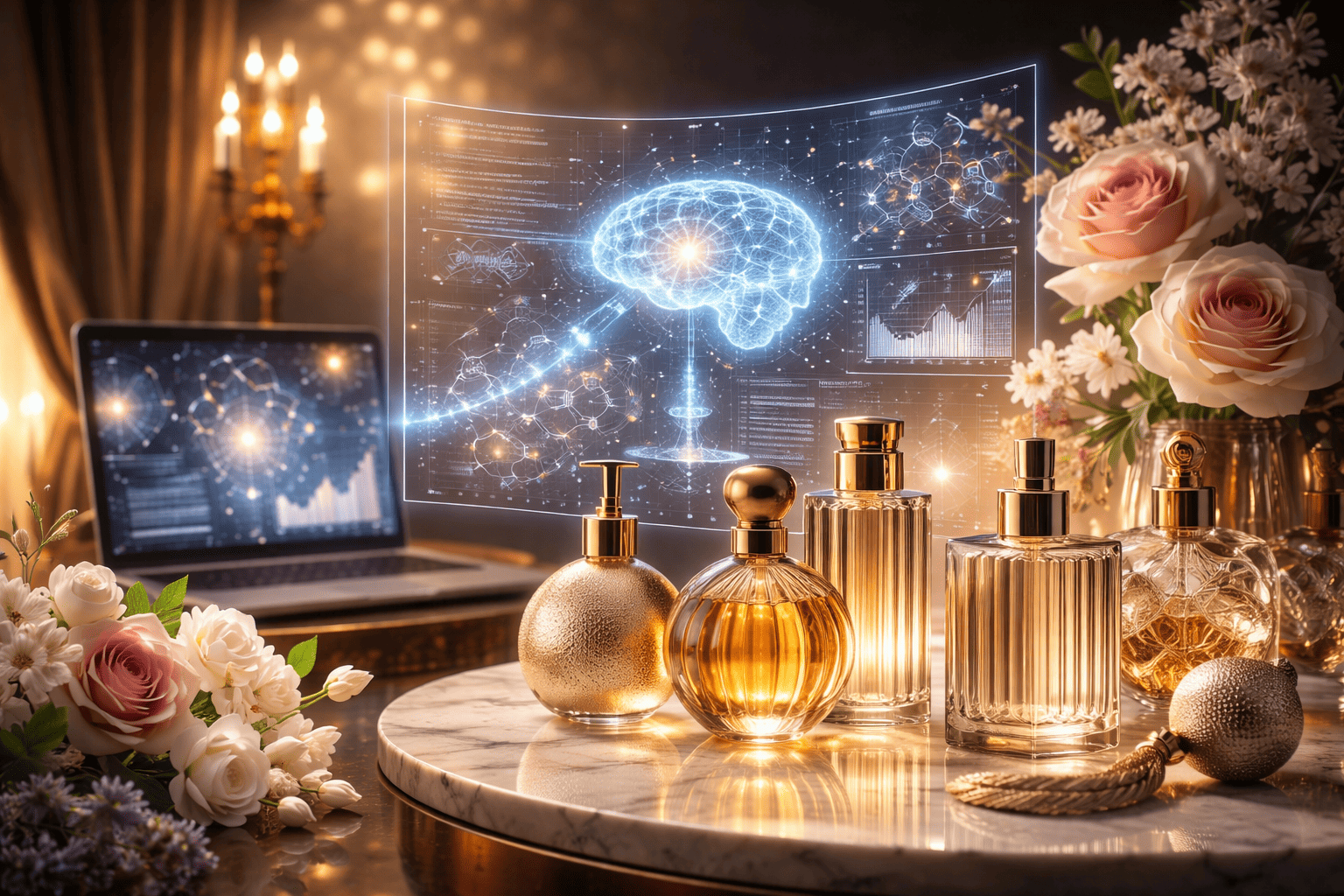
For decades, the art of perfume creation has been guided by intuition, heritage, and the refined sensory memory of master perfumers. Today, artificial intelligence is quietly entering this world — not as a disruptive force, but as a subtle tool reshaping how traditional perfume houses explore creativity while preserving their identity.
A Dialogue Between Heritage and Technology
Many historic perfume houses are built upon decades, sometimes centuries, of olfactory knowledge. Their identity is rooted in craftsmanship, storytelling, and emotional depth. Rather than abandoning these foundations, AI is being introduced as a complementary layer — assisting research, accelerating testing, and revealing patterns hidden within vast fragrance archives.
Instead of replacing the perfumer, technology acts as an assistant capable of analyzing ingredient interactions, predicting stability, and suggesting new creative directions. This evolving relationship reflects a dialogue between tradition and innovation rather than a competition between them.
Data as a New Creative Ingredient
One of the most significant shifts AI introduces is the ability to interpret large amounts of data. Traditional houses have long relied on historical formulas and consumer feedback gathered over years. AI systems can now analyze these archives, offering insights into trends, longevity preferences, and regional olfactory behavior.
Yet, creativity remains deeply human. While algorithms may propose combinations, it is still the perfumer who decides whether a fragrance feels balanced, emotional, or meaningful. The result is a hybrid approach where data informs, but intuition leads.
Preserving Identity in a Digital Age
Luxury perfume houses are especially cautious about maintaining their artistic DNA. AI tools are therefore integrated discreetly — often behind the scenes — ensuring that technology enhances consistency without diluting brand character.
Some houses use AI to refine ingredient sourcing or sustainability practices, while others rely on it to simulate scent evolution over time. These applications strengthen heritage rather than overshadow it, allowing traditional brands to remain relevant in a rapidly changing landscape.
The Role of the Modern Perfumer
As AI becomes more present, the role of the perfumer evolves rather than disappears. Modern perfumers are increasingly seen as creative directors who collaborate with both materials and technology. They interpret algorithmic suggestions through an artistic lens, translating data into emotion.
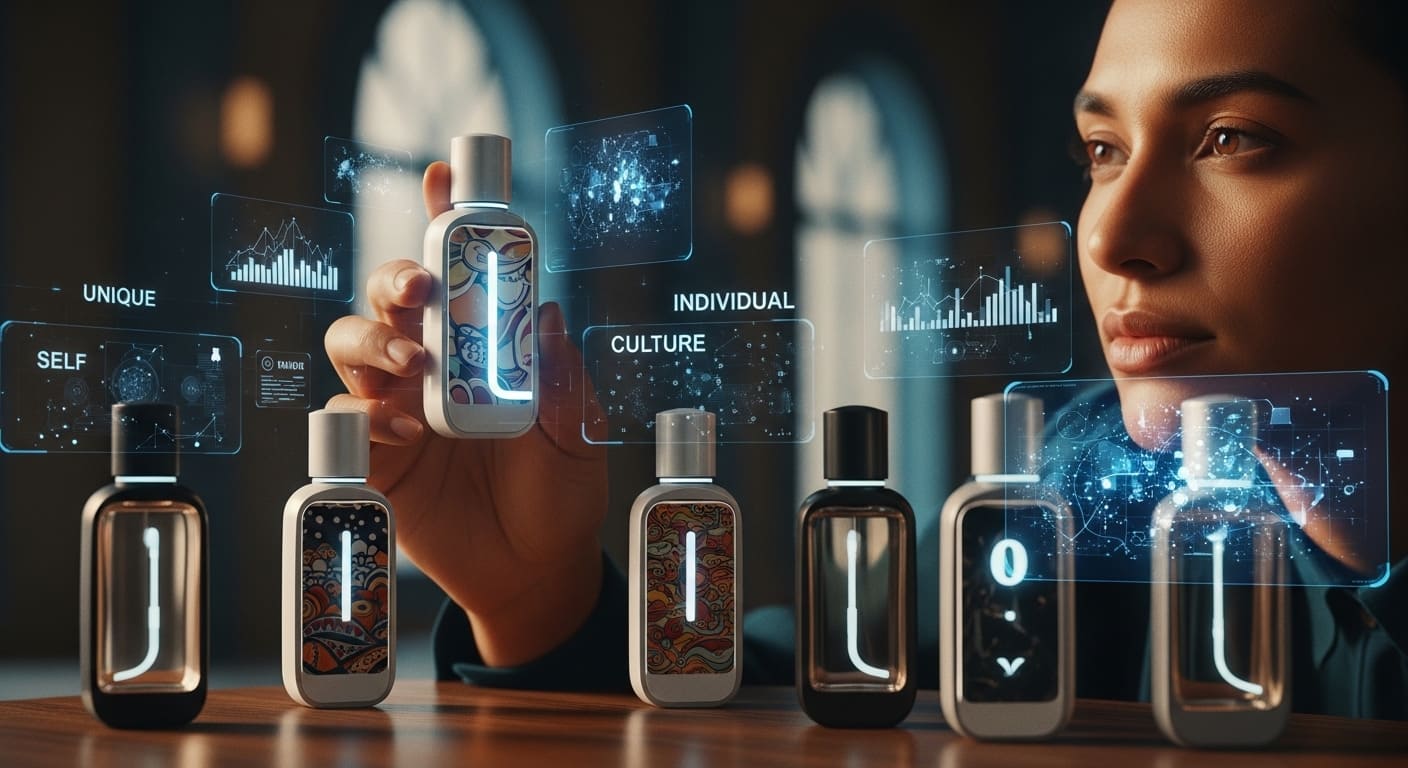
This shift highlights an important truth: fragrance is more than chemistry. It is memory, culture, and personal identity — elements that no machine can fully replicate.
Evolution, Not Replacement
The integration of artificial intelligence within traditional perfume houses represents an evolution rather than a revolution. Technology offers speed and analytical depth, while heritage provides narrative and authenticity. Together, they create a new balance where innovation respects legacy.
As the fragrance industry moves forward, the most influential houses may not be those that choose between tradition and AI, but those that understand how to let both coexist — shaping a future where craftsmanship remains at the heart of creation.
Key Takeaways
- AI is becoming a supportive tool for research and formulation within traditional perfume houses.
- Heritage brands integrate technology discreetly to preserve artistic identity.
- The role of the perfumer evolves toward creative direction rather than technical execution alone.
- Innovation in perfumery is increasingly defined by collaboration between human intuition and intelligent systems.