The Cultural Language of Oud in the Gulf
Oud is more than a fragrance note in the Gulf—it is a cultural language tied to hospitality, identity, memory, and social presence. This article explores how oud communicates meaning beyond scent.
In the Gulf region, oud is not simply a perfume ingredient — it is a cultural symbol, a social ritual, and a silent language that communicates identity, respect, and presence. While oud has become globally popular in modern perfumery, its meaning in the Gulf carries layers that go far beyond fragrance trends.
Oud as a language of hospitality
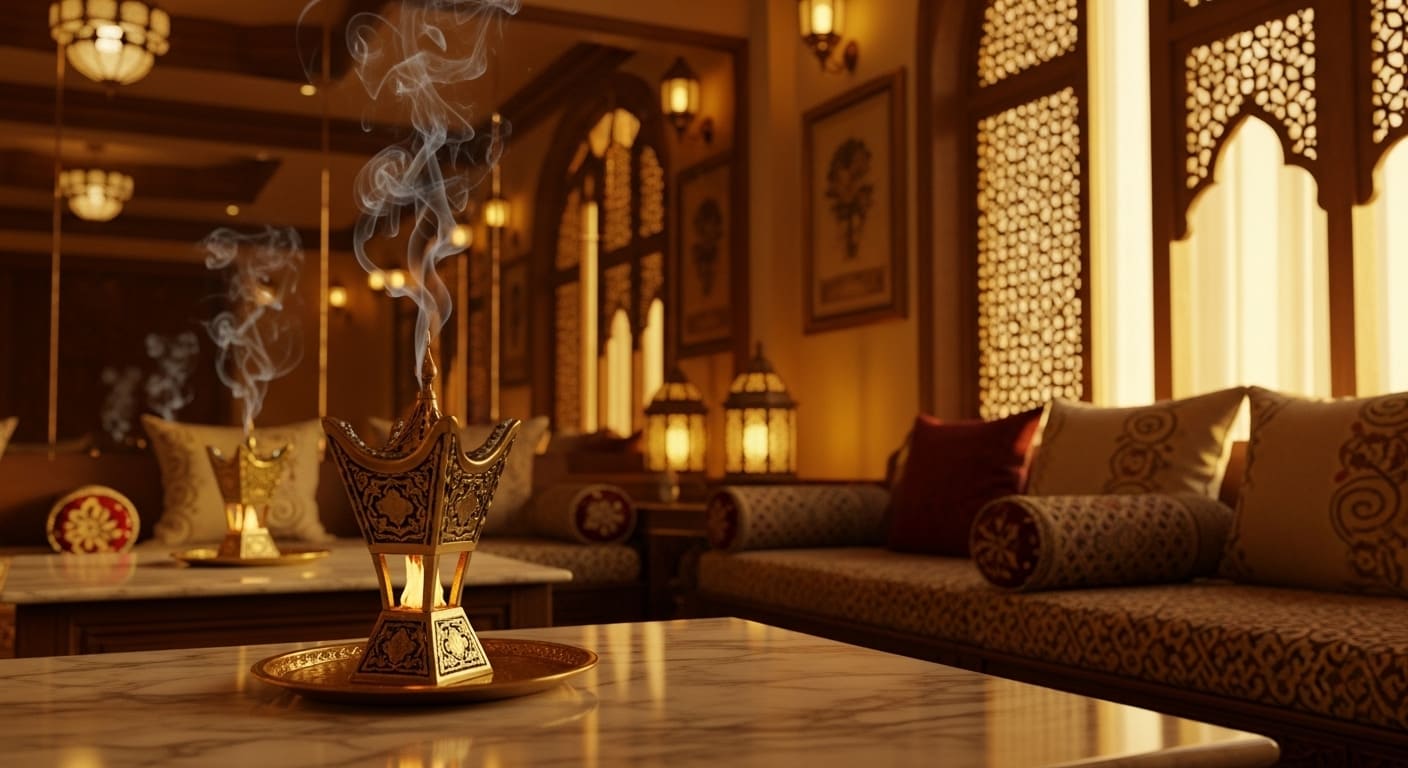
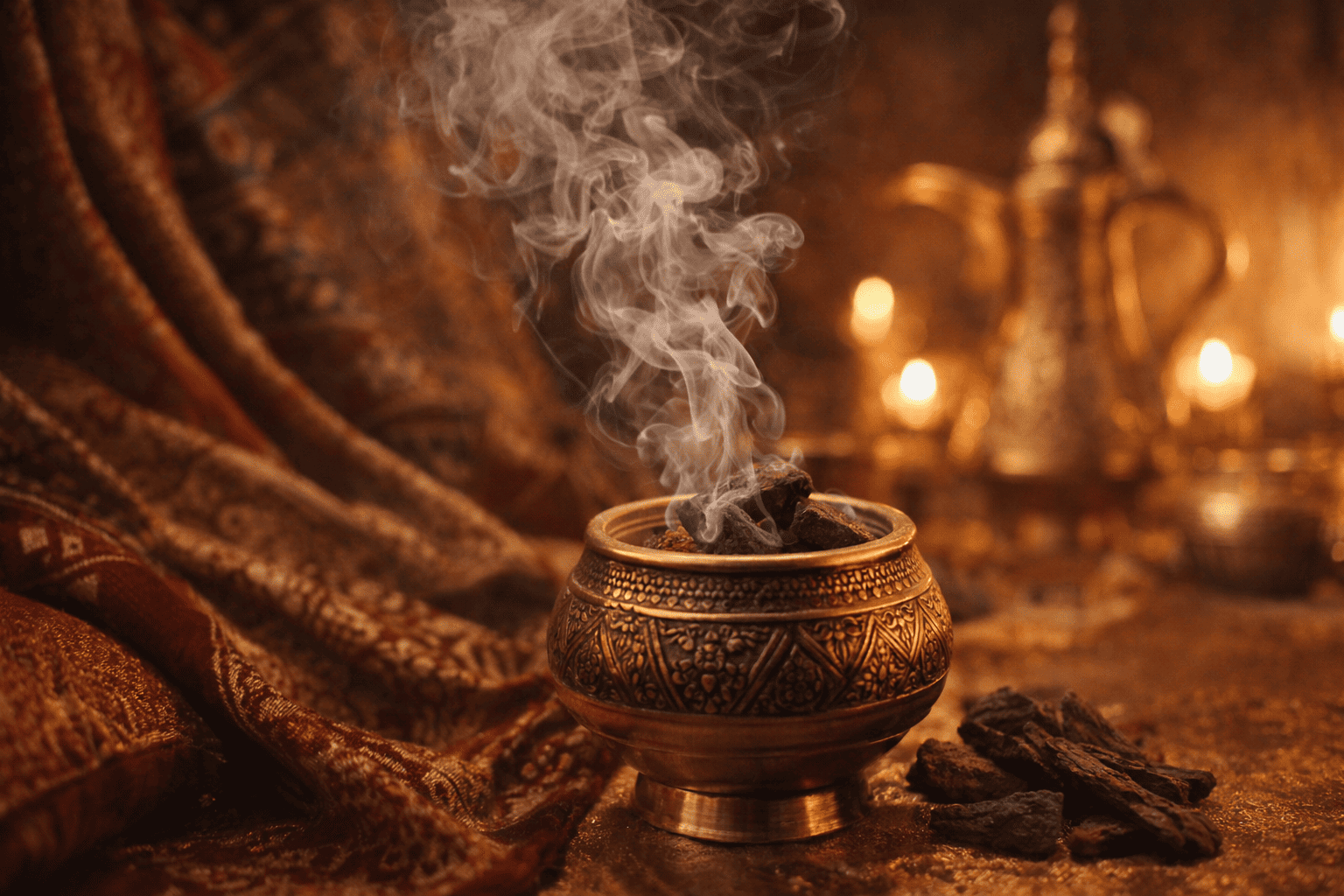
One of the most recognizable cultural roles of oud is its connection to hospitality. In many Gulf homes, guests are welcomed not only with coffee and dates but also with the gentle smoke of burning oud. The ritual transforms scent into a gesture — a sign of honor and warmth.
Unlike Western perfume usage, where fragrance is often personal, oud in the Gulf can be communal. Passing incense among guests becomes a shared sensory experience that strengthens social bonds.
Identity and presence
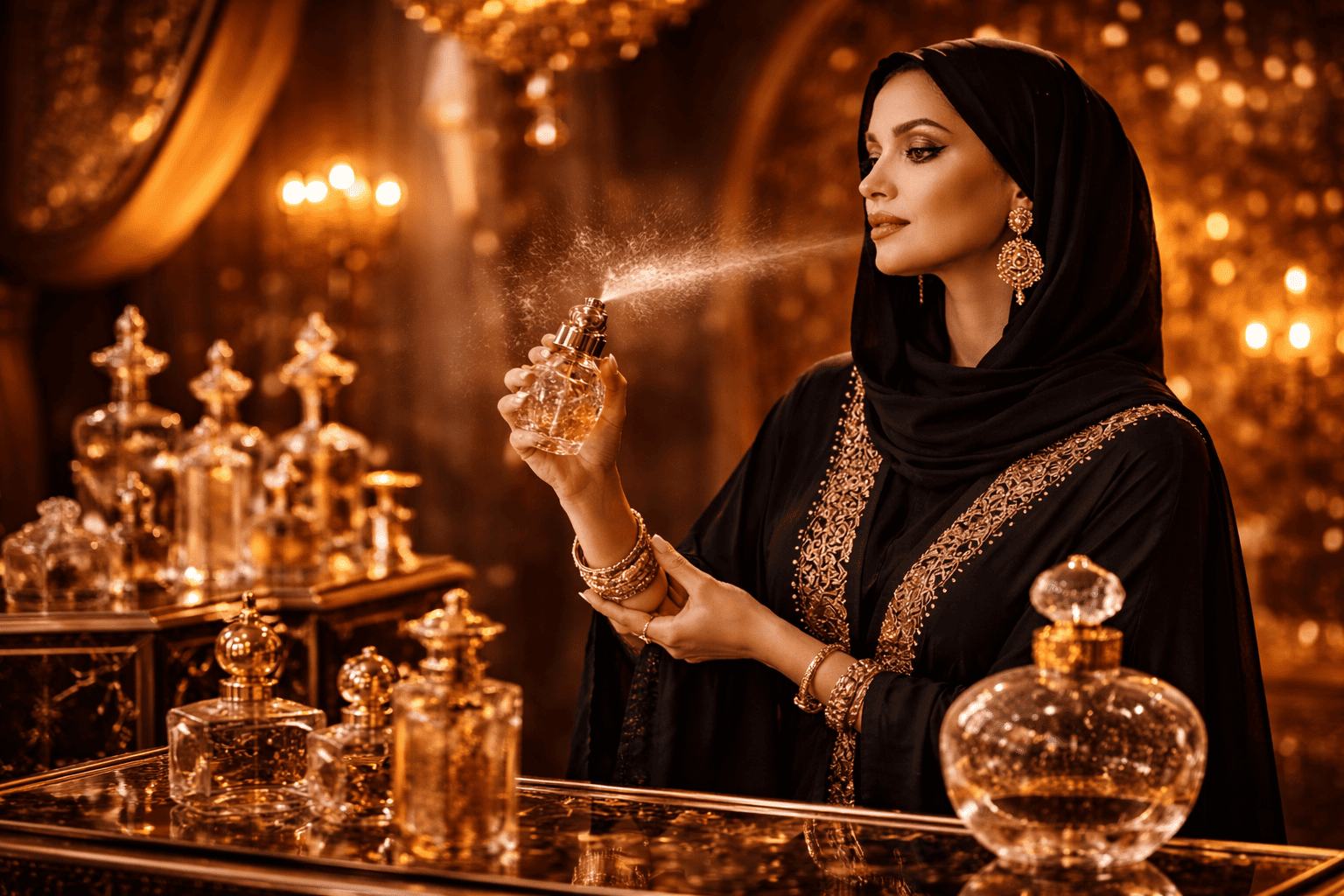
Wearing oud is often seen as an expression of character rather than fashion. Some prefer deep, resinous ouds that signal confidence and tradition, while others choose lighter interpretations that balance heritage with modernity.
- Deep oud accords: Often associated with authority, formality, and evening occasions.
- Soft blended ouds: Represent contemporary identity — bridging global style with regional roots.
- Layered oud perfumes: Reflect individuality through customization and personal rituals.
Memory and emotional symbolism
Oud carries powerful emotional associations. For many people in the Gulf, its scent is linked to childhood gatherings, weddings, or religious celebrations. Because smell is closely tied to memory, oud becomes a bridge between generations — a scent that connects past and present.
Oud beyond perfume: a sensory atmosphere
Unlike many fragrance ingredients, oud exists across multiple sensory formats:
- Bakhoor and incense for home environments
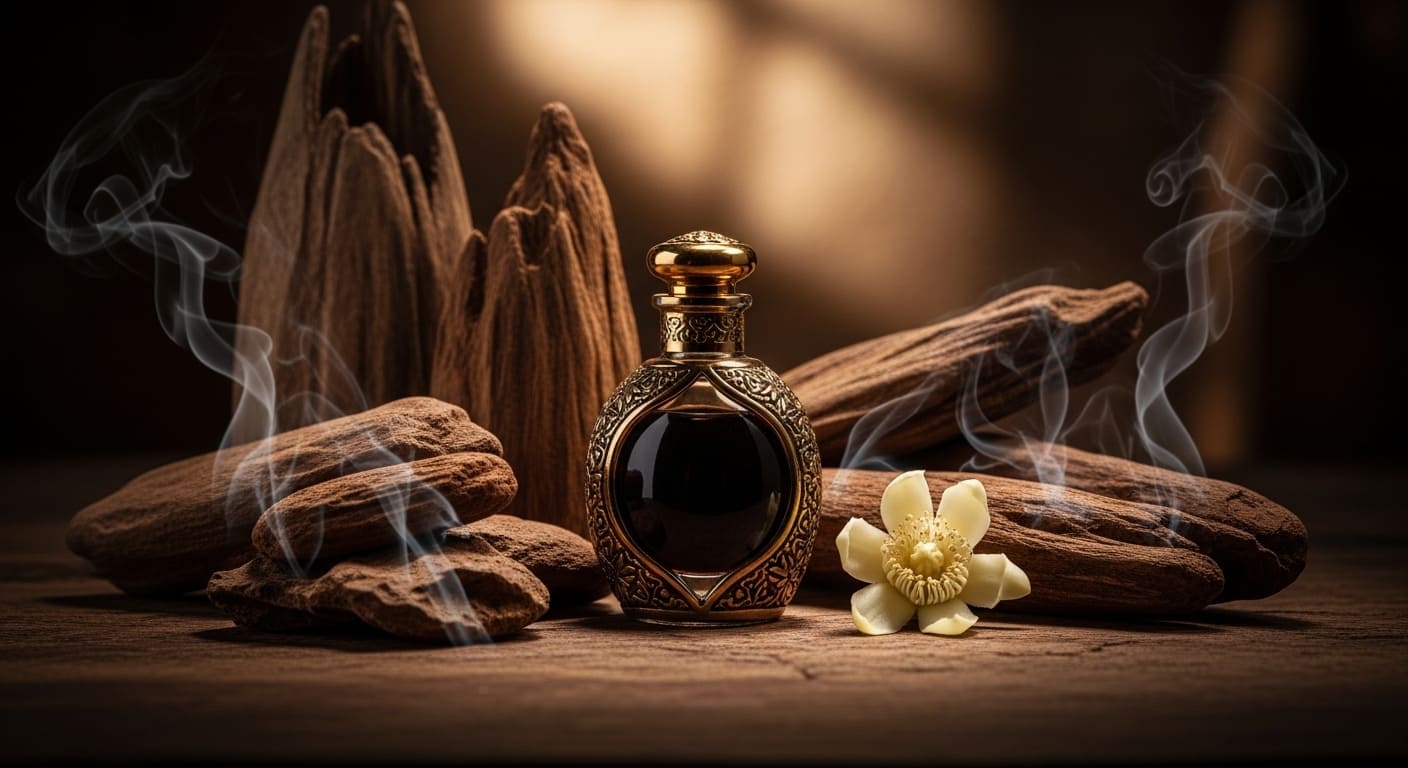
- Perfume oils worn on skin
- Modern eau de parfum interpretations for everyday wear
This versatility turns oud into more than a scent — it becomes an atmosphere that shapes how spaces and moments feel.
The evolution of oud in contemporary perfumery
Today, perfumers around the world reinterpret oud through technology and creative blending. Synthetic molecules, AI-assisted formulation, and global collaborations have introduced new styles of oud that feel lighter, cleaner, or more abstract — yet the cultural roots remain strongest in the Gulf.
Modern consumers often look for oud fragrances that maintain authenticity while adapting to daily life, climate, and changing aesthetics.
Why understanding oud matters
To truly understand fragrance culture in the Middle East, one must understand oud. It reflects social etiquette, aesthetic values, and even emotional storytelling. Rather than being just another note on a perfume pyramid, oud acts as a cultural language — subtle, powerful, and deeply personal.
Key takeaway
Oud in the Gulf is more than a scent — it is a form of communication. Whether burned as incense or worn as perfume, it speaks about hospitality, identity, and memory in ways words often cannot.