Why Oud Became the Most Mysterious Ingredient in Global Perfumery
Oud has become one of the most fascinating ingredients in modern perfumery. From ancient Middle Eastern traditions to global luxury fragrances, its rarity, depth, and cultural symbolism have made it one of the most mysterious scents in the world.
Why Oud Became the Most Mysterious Ingredient in Global Perfumery
Few ingredients in perfumery inspire as much fascination as oud. Often described as dark, deep, and hypnotic, oud has moved from a traditional material rooted in Middle Eastern culture to one of the most sought-after ingredients in global luxury fragrances.
Yet what makes oud truly unique is not only its scent. It is the story behind it — a combination of rarity, tradition, and cultural meaning that has turned it into one of the most mysterious materials in modern perfumery.
The rare origin of oud
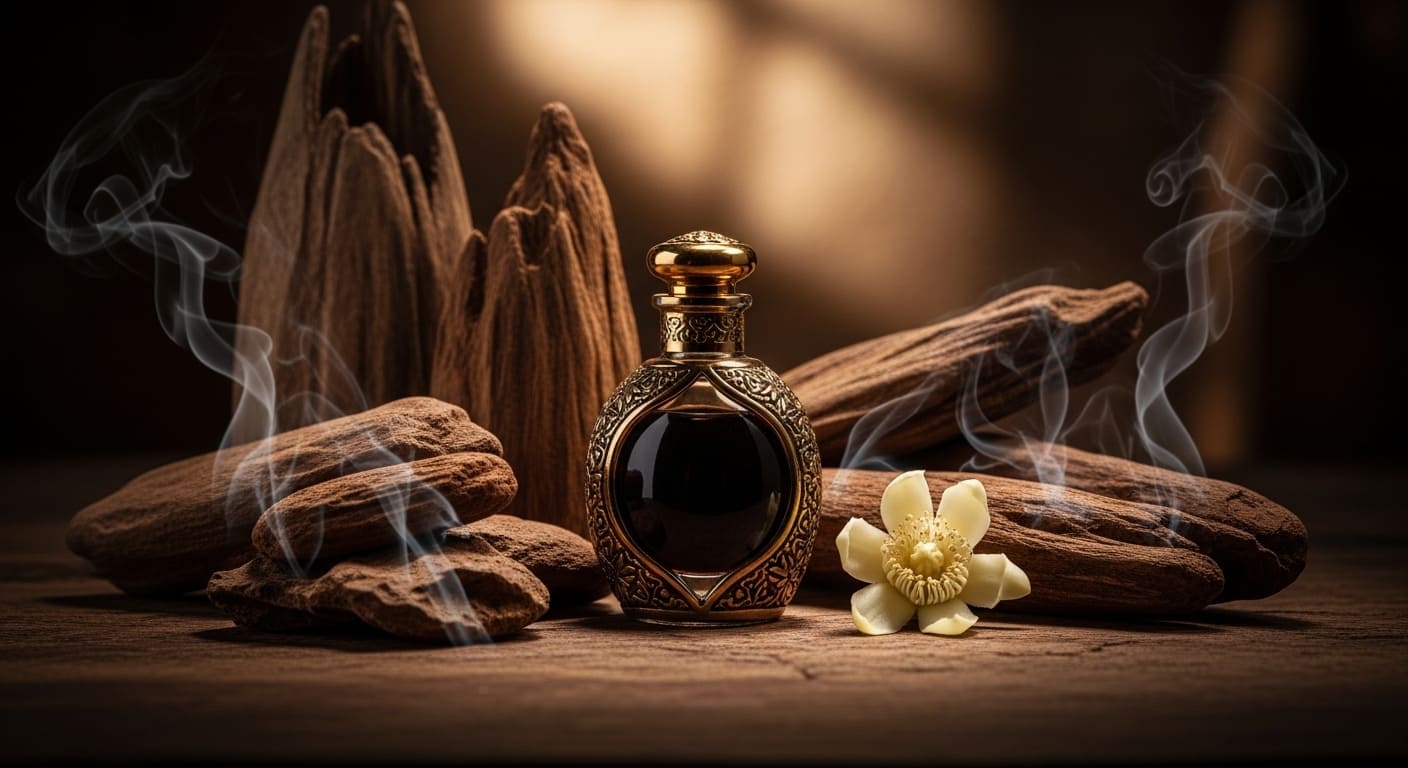
Oud is derived from the resinous heartwood of the agarwood tree. Unlike most perfume ingredients, oud does not exist naturally in every tree. It forms only when the tree becomes infected by a specific type of mold, triggering a natural defense process that produces the dark aromatic resin.
This rare transformation is what gives oud its distinctive scent — rich, woody, smoky, and sometimes slightly sweet.
Because this process occurs in only a small percentage of trees, natural oud is one of the most expensive raw materials used in perfumery.
A centuries-old cultural tradition
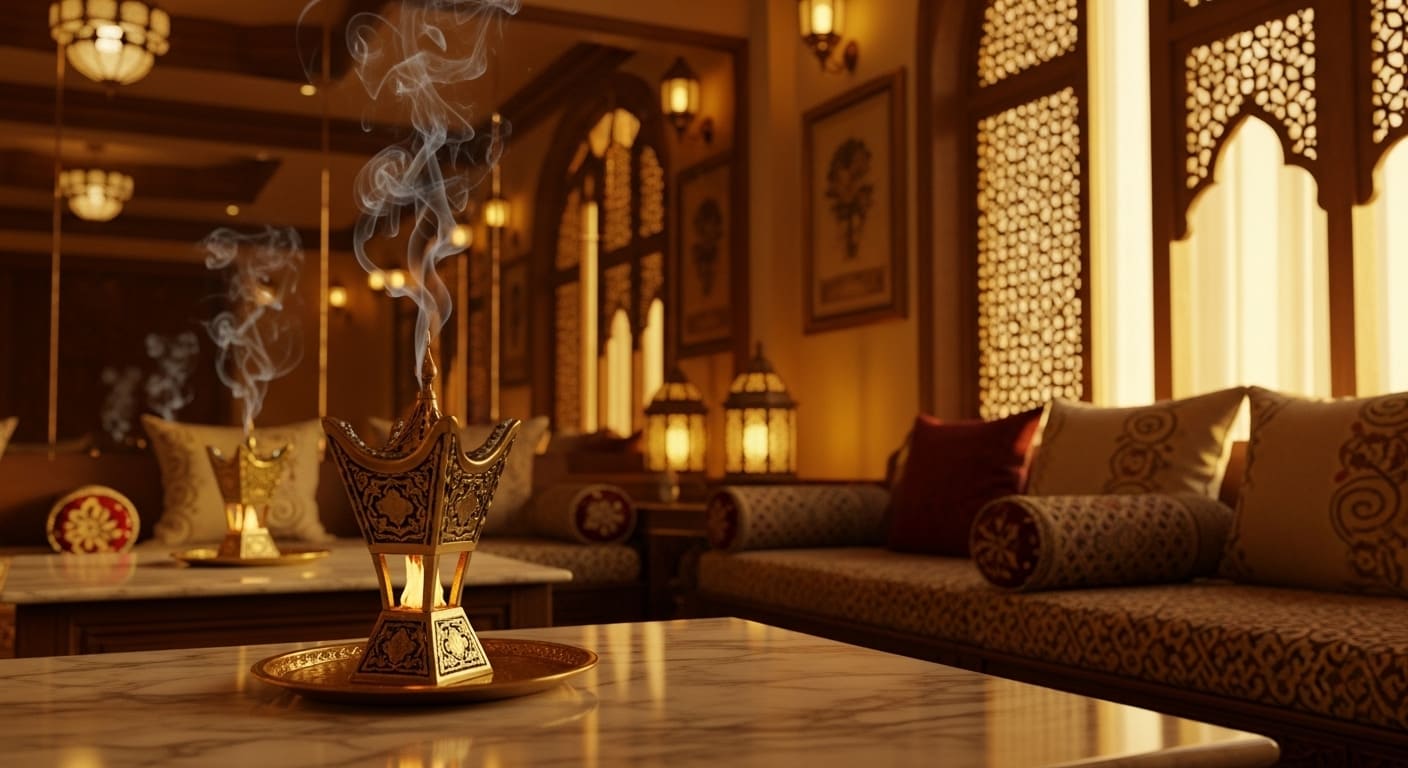
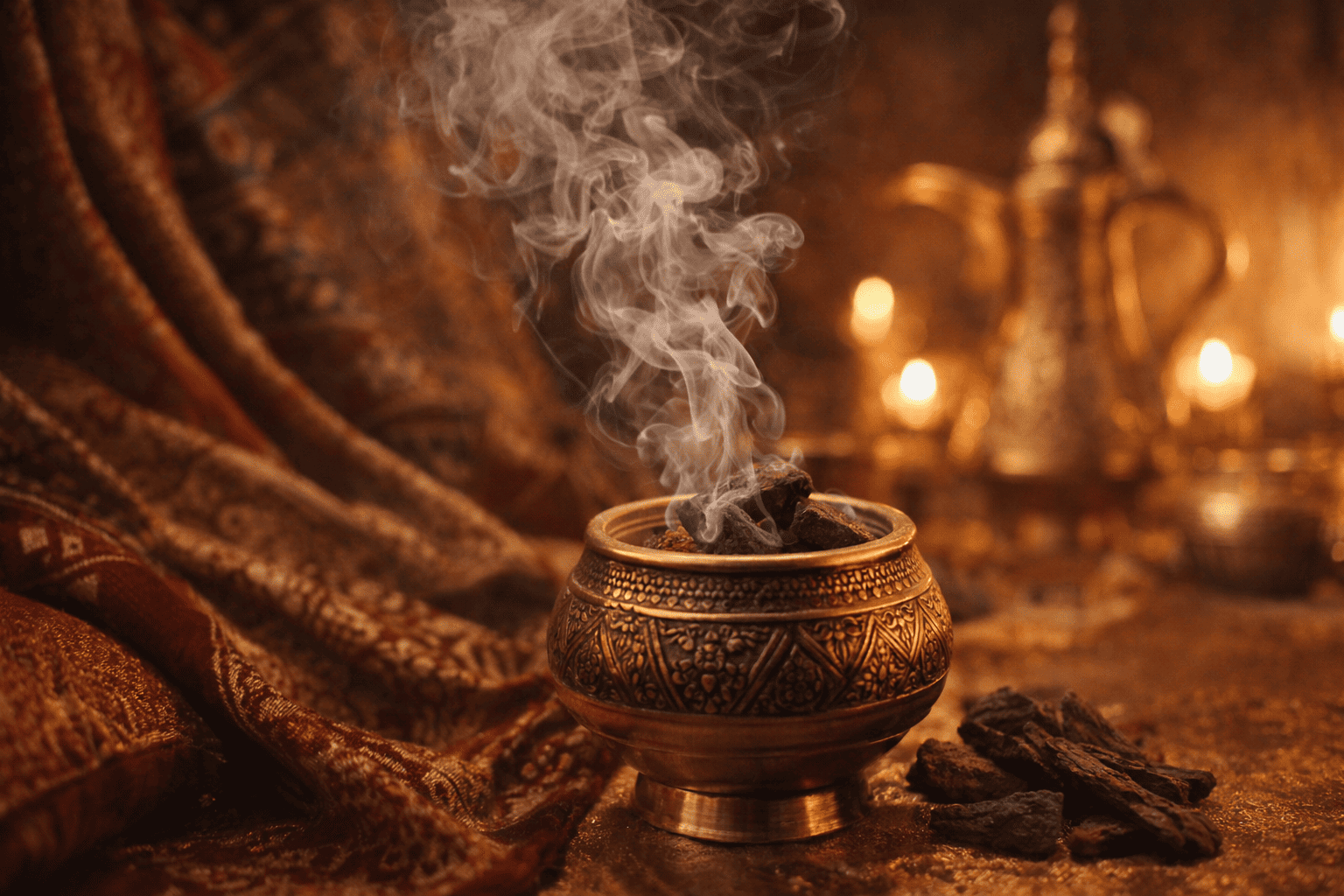
Long before oud became a global luxury ingredient, it held deep cultural significance across the Middle East and parts of Asia. Burning oud wood during gatherings, celebrations, and important occasions has been part of regional traditions for centuries.
In many Gulf cultures, oud is not simply a fragrance ingredient — it represents hospitality, refinement, and identity.
This cultural connection is explored further in our analysis of Gulf fragrance culture and modern luxury perfumery .
Oud enters modern perfumery
For many years, oud remained primarily associated with traditional perfumery in the Middle East. But during the early 21st century, international fragrance houses began exploring oud as a way to create deeper, more distinctive compositions.
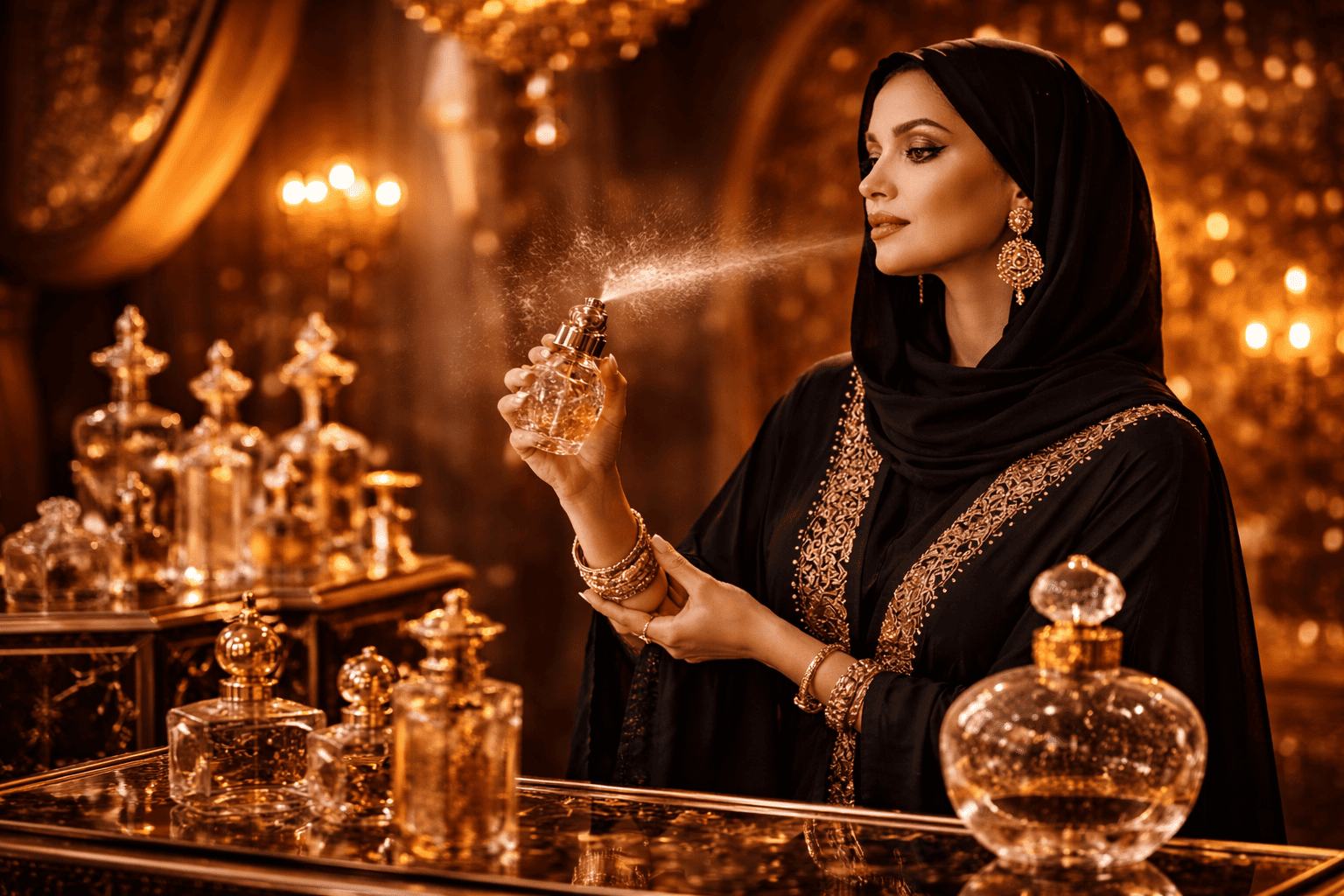
Luxury brands introduced oud-based fragrances that combined traditional materials with modern structures of perfume notes , blending oud with florals, spices, or amber accords.
This fusion introduced oud to a global audience and helped redefine how luxury fragrances could smell.
The complexity of oud
One reason oud remains mysterious is that it rarely smells the same twice. Depending on its origin, extraction method, and the other materials surrounding it, oud can express many different facets.
Some interpretations highlight its smoky darkness, while others reveal smoother woody or slightly sweet dimensions during the dry down .
This complexity makes oud one of the most fascinating materials for perfumers to work with.
The balance between tradition and innovation
Today, oud represents a meeting point between ancient tradition and modern fragrance creation. While natural oud remains rare and precious, modern perfumery has also developed innovative ways to interpret its character through carefully designed accords.
This balance allows perfumers to preserve the emotional power of oud while exploring new creative possibilities.
More than a scent
Ultimately, the mystery of oud lies in its symbolism. It carries centuries of cultural meaning while continuing to evolve within contemporary perfumery.
For many fragrance lovers around the world, oud is more than an ingredient. It is a bridge between heritage, craftsmanship, and the evolving language of scent.